Why Are Rechargeable Vapes Popular with Global Buyers?

Rechargeable Vapes have attracted adult buyers in many legal markets because they combine repeat use, adjustable features, and practical portability. A single device can support replaceable or refillable components, reducing the need to purchase a complete unit repeatedly. This can appeal to buyers who compare long-term costs carefully. Convenience matters too. A charged device fits easily into a daily routine, whether kept at home, in a work bag, or during travel.

However, popularity does not mean every product offers the same value. Buyers often examine charging speed, battery capacity, pod availability, leak resistance, and warranty support. Manufacturer instructions also matter. Reliable brands usually provide clear safety guidance, product specifications, and age restrictions. These details help customers make informed choices instead of relying only on online reviews or attractive packaging.

The global market remains uneven. Regulations, product standards, and consumer expectations differ between countries. Availability may change quickly. Some buyers also question whether rechargeable designs genuinely reduce waste, especially when pods, coils, or batteries need frequent replacement. That concern deserves honest attention. A responsible comparison should consider the complete product lifecycle, not just the reusable device itself. It should also avoid unsupported health claims. This article examines why Rechargeable Vapes remain appealing to global buyers, while considering cost, convenience, technology, safety awareness, and environmental limitations. The strongest conclusion may be less simple than expected. Popularity reflects practical demand, but informed purchasing requires patience and reliable evidence.
Why Are Rechargeable Vapes Popular with Global Buyers?

What Are Rechargeable Vapes and How Do They Work?

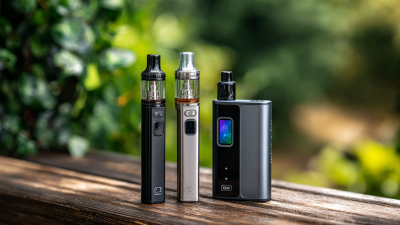
A rechargeable vape is an electronic inhalation device designed for repeated use. It usually contains a built-in lithium battery, a pod or tank, a heating coil, and an airflow channel. Some models activate when the user inhales. Others use a small button. The battery sends power to the coil, which heats the liquid and creates an aerosol. No flame is involved.

Many devices use a USB charging connection. A light may show charging progress, while built-in protection can help prevent overheating or overcharging. Users may replace an empty pod or refill a compatible tank, depending on the design. Liquid usually contains a base, flavoring, and sometimes nicotine where legally permitted. Read the label carefully. Ingredients and strength can vary.

Rechargeable vapes attract global buyers because they can reduce repeated device disposal and offer predictable daily operation. However, convenience is not the same as safety. Battery damage, leaking liquid, or a worn coil can affect performance. Store the device away from heat and children. Do not charge it with damaged cables. Local age, product, and nicotine rules also matter, and regulations differ widely.

A common mistake is treating maintenance as optional. It is not. Wipe the connection area, replace worn parts, and stop using a device that becomes unusually hot. The category is practical, but not perfect. Better labeling and independent quality checks would make comparison easier for buyers.

Which Features Attract Buyers in Different Global Markets?

Rechargeable vapes attract adult buyers for practical reasons, but preferences differ across markets.

Global e-cigarette market
USD 28.17 billion
Grand View Research estimated the global e-cigarette market at approximately USD 28.17 billion in 2023.
Worldwide users
More than 100 million
WHO reported that more than 100 million people worldwide use e-cigarettes, showing a broad but uneven consumer base.

Its forecast also points to continued growth through 2030. However, market size does not explain every purchase decision. WHO reported that more than 100 million people worldwide use e-cigarettes, showing a broad but uneven consumer base. Preferences are not universal.

Market preferences

In Europe, adult buyers in regulated markets may prioritize consistent battery output, leak resistance, and clear nicotine labeling. Compact devices also suit commuters who carry small bags.

In North America, buyers often look for USB-C charging, battery indicators, and simple controls. These details reduce uncertainty during daily use. They matter.

In some Asian and Middle Eastern markets, availability and local compliance can matter more than advanced screens or extra settings. Products must follow national age-verification, packaging, and recycling requirements.

Sustainability and value

Price sensitivity also shapes demand. Rechargeable designs can reduce repeated device waste, although the environmental advantage depends on battery life, collection systems, and responsible disposal. The European Environment Agency has warned that growing disposable battery waste creates rising recycling pressure.

That finding complicates the popular “reusable means sustainable” assumption. It is not always true.

Buyers may appreciate longer battery life, but heavier devices can become inconvenient. A bright display can look professional, yet it may add cost and unnecessary complexity.

Reliable performance, transparent specifications, and market-specific compliance usually build more trust than decorative features.

How Do Cost, Convenience, and Product Variety Influence Demand?

Rechargeable vapes attract global buyers through a practical balance of cost, convenience, and choice. Many shoppers compare the device price with long-term spending on disposable products. A rechargeable model may require only replacement pods, coils, or e-liquid. This can reduce waste and recurring costs over time. However, savings depend on usage, maintenance, and local prices. The cheapest option is not always the best value.

Convenience also shapes purchasing decisions. A charged device can support daily routines without repeated disposal. USB-C charging, compact designs, and visible battery indicators make use easier. Some buyers keep a spare cable at work or in a travel bag. That small detail matters. Still, charging time, battery life, and replacement-part availability should be checked before purchase. Online descriptions sometimes sound clearer than real use.

Product variety adds another layer to demand. Buyers can choose different sizes, airflow settings, pod capacities, and nicotine-free options where permitted. Flavor preferences also vary widely across regions and age groups. Responsible sellers should provide accurate specifications, safety guidance, and clear age restrictions. Regulations differ between countries, so legal compliance cannot be treated as an afterthought. From a buyer’s perspective, comparing materials, warranty terms, and refill compatibility may prevent costly mistakes. Personal experience suggests convenience feels valuable, but it can encourage impulse purchases. A slower comparison is often wiser.

Why Are Rechargeable Vapes Popular with Global Buyers? - How Do Cost, Convenience, and Product Variety Influence Demand?

Demand Dimension Publicly Reported Indicator Verified Data Point Why It Can Support Rechargeable Vape Demand Source
Market Reach Adult e-cigarette use in the United States 6.0% of U.S. adults reported current e-cigarette use in 2022. A sizable established user base creates continuing demand for replacement devices, charging accessories, and refill products. U.S. National Center for Health Statistics, Data Brief No. 482, 2024
Cost Efficiency Reusable hardware model Rechargeable devices are designed to be used repeatedly, while consumable components such as e-liquid or pods are replaced separately. Separating the device from consumables can reduce the need to repurchase the complete hardware unit after every use cycle. World Health Organization, “Electronic Nicotine Delivery Systems” technical information
Convenience Charging and repeated use Rechargeable products use built-in batteries that can be recharged through a power connection instead of being discarded after the battery is depleted. Users can maintain one device and recharge it at home, at work, or while travelling, reducing the frequency of complete-device purchases. U.S. Food and Drug Administration, “Vaping and E-Cigarettes” consumer information
Product Variety Refillable and reusable product formats in Great Britain In the 2024 adult vaping survey, refillable tank-style devices remained one of the main device categories reported by adult vapers. A refillable format gives consumers more choice over liquid formats, nicotine strengths, flavours, and device configurations, subject to local regulations. Action on Smoking and Health, “Use of E-Cigarettes among Adults in Great Britain,” 2024
Long-Term Use Vaping among former smokers in Great Britain Adult vaping in Great Britain is concentrated among current and former smokers, according to annual population surveys. Consumers who use vaping products over an extended period may value durable hardware, replaceable parts, and access to compatible refills. Action on Smoking and Health, “Use of E-Cigarettes among Adults in Great Britain,” 2024
Portability Compact battery-powered design Rechargeable vape devices generally combine a small battery, heating element, and liquid-delivery system in a portable unit. Small form factors are convenient for storage and transport, while rechargeable power supports repeated use away from a fixed location. Centers for Disease Control and Prevention, “About Electronic Cigarettes”
Sustainability Consideration Waste and end-of-life handling Rechargeable devices can reduce the number of complete devices discarded compared with single-use formats, but they still contain batteries and electronic components that require proper recycling or disposal. Buyers may perceive reusable hardware as a more resource-efficient option, although environmental benefits depend on product lifespan, refill habits, and responsible disposal. United Nations Institute for Training and Research, Global E-waste Monitor 2024; World Health Organization

Note: Consumer behavior, product availability, pricing, taxation, age restrictions, and permitted nicotine formats vary substantially by country. The indicators above describe general demand factors and should not be interpreted as a direct global market-share estimate.

What Role Do Technology and Design Play in Their Popularity?

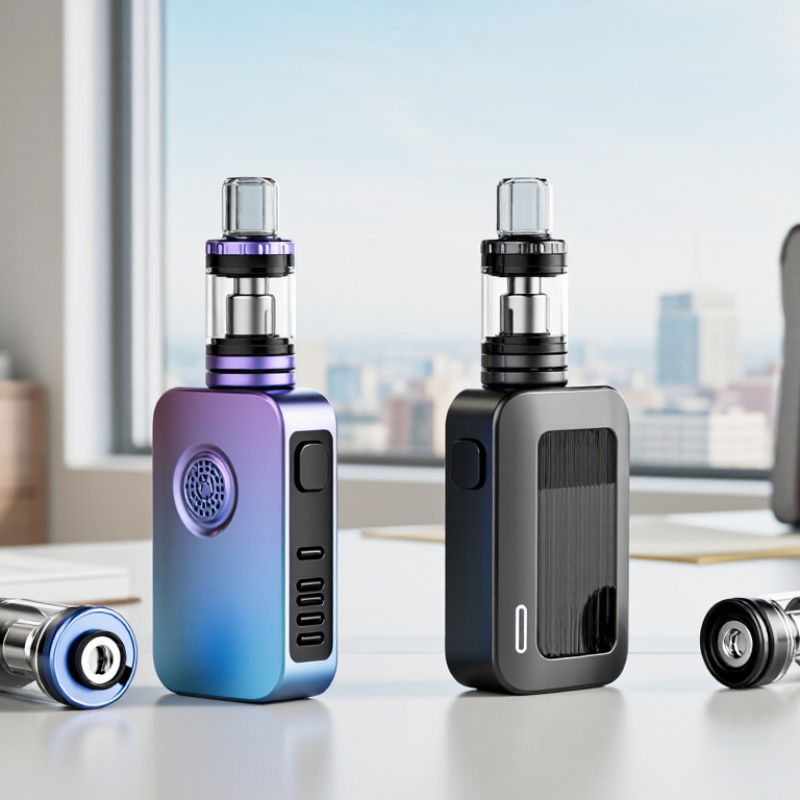
Rechargeable vapes attract global buyers because technology makes daily handling more predictable. USB-C charging can reduce cable clutter and shorten waiting time. Battery indicators show remaining power before an unexpected interruption. Some devices use adjustable output, allowing users to select a milder or stronger draw where legally permitted. Airflow controls also change the inhale from tight to open. These details may seem small. They shape real routines.

Design matters just as much. A textured body feels steadier in the hand, while a compact form fits a pocket without sharp edges. Clear liquid windows help users monitor levels and avoid dry heating. Replaceable components may reduce waste, but they also require careful cleaning and correct fitting. The experience is not always seamless. A bright screen can distract, and complicated menus can frustrate new users. Reliable products should include clear instructions, charging protection, and age-compliant distribution. Independent safety testing and transparent specifications build more trust than attractive packaging. Buyers should also check local regulations, because rechargeable devices and nicotine products are not treated equally everywhere. Good design supports informed use, but it cannot remove every risk.

What Health, Regulatory, and Environmental Factors Affect Buyer Choices?

Rechargeable vapes attract global buyers because they can reduce repeated purchases and offer adjustable use. Yet convenience does not remove health concerns. Most products deliver nicotine, which can cause dependence and may affect young users. Aerosol exposure also varies by liquid, temperature, and device condition. Public-health guidance generally advises non-users not to start. Former smokers should seek qualified medical advice before switching completely.

Regulation strongly shapes buyer decisions. Age restrictions, ingredient rules, warning labels, advertising limits, and product testing differ between markets. A device accepted in one country may be restricted elsewhere. Buyers should check official local requirements, not rely on social media claims. Clear batch information and safety instructions matter. Still, labels cannot prove that every product performs consistently. That uncertainty deserves more attention.

Environmental factors are becoming harder to ignore. Rechargeable designs may reduce the number of discarded devices, but they still use batteries, plastics, metals, and electronic parts. Damaged lithium batteries can create fire risks when stored or transported incorrectly. Proper collection is essential. It is often unavailable. Buyers can look for take-back programs, replaceable components, and durable construction, while avoiding damaged units. However, “reusable” does not automatically mean sustainable. The full lifecycle remains difficult to measure, and current comparisons are not always fair. My view is cautious: lower waste may be possible, but health evidence, legal compliance, and disposal practices should guide the choice more than price or appearance.

Find Mitten in Michigan

Request Mitten Near You

Have a favorite dispensary that doesn't carry Mitten Extracts yet? Let us know, and we'll work to make sure our premium products are available where you shop.