Why Choose Cartridge Vape for Global Buyers?
For global buyers, choosing a Cartridge Vape involves more than comparing prices. Product consistency, safety controls, and supply reliability matter across every shipment. A well-designed cartridge should provide stable airflow, secure sealing, and smooth connection with compatible devices. Small details matter. A loose mouthpiece or weak seal can create costly complaints.
Experienced buyers also examine the manufacturer behind the device. They request material specifications, batch records, quality-control procedures, and independent test reports where available. Clear documentation supports better purchasing decisions. It also helps importers check whether products meet destination-market requirements. Regulations differ widely, and buyers must confirm current rules before ordering, selling, or distributing any vape-related product.
No device is perfect. Even a reliable Cartridge Vape may face transport pressure, temperature changes, or compatibility issues. This is why practical sampling remains valuable before a large purchase. Test cartridges in realistic conditions, including storage, handling, and repeated use. Review leakage rates, packaging strength, and customer feedback. A lower unit price may look attractive, but inconsistent production can damage a brand quickly.
Global buyers should also consider responsible communication. Avoid unsupported health claims, unclear labeling, and designs that could appeal to minors. Choose suppliers that offer traceable production and responsive after-sales support. Trust is built through evidence, not confident promises. The strongest buying decision balances performance, compliance, transparency, and long-term service. That balance may require more questions, but it usually prevents expensive surprises.
What Is a Cartridge Vape and How Does It Work?
Why Choose Cartridge Vape for Global Buyers?
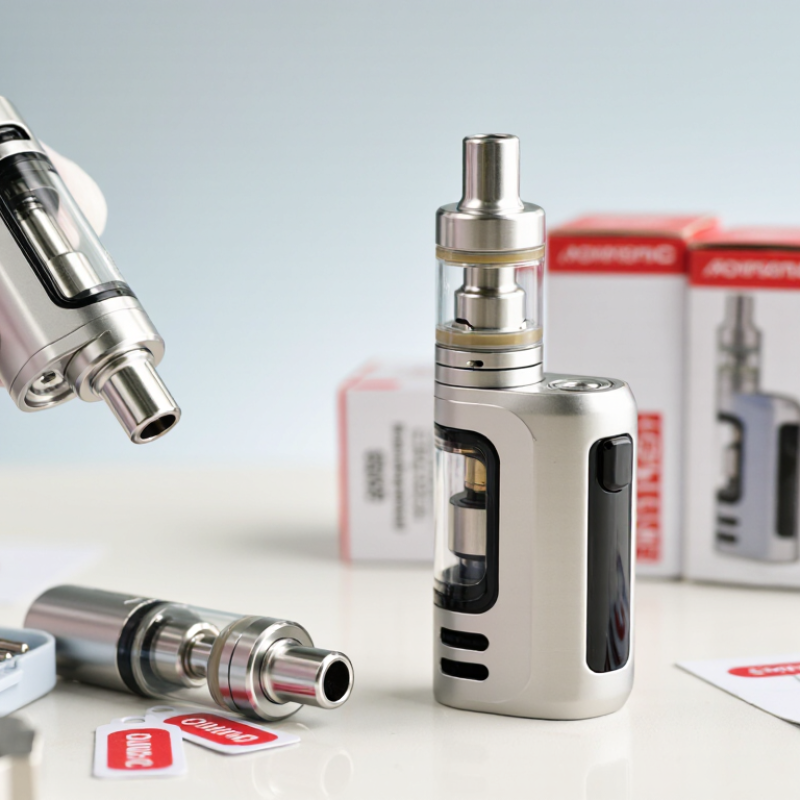
A cartridge vape is a compact vaping device with a battery, cartridge, heating coil, mouthpiece, and airflow path. The cartridge holds a regulated e-liquid, either prefilled or refillable, depending on its design. When the user activates the device, the battery powers the coil. The coil warms the liquid and creates an inhalable aerosol. It does not burn the liquid like a cigarette burns tobacco.
The cartridge usually connects through a magnetic fitting or threaded base. This makes replacement quick and keeps the device easy to carry. Clear windows can help users check the remaining liquid. However, liquid visibility does not always prove consistent performance. A cartridge may still produce a dry taste when the coil is poorly saturated. Small details matter, including seal quality, mouthpiece alignment, battery output, and leakage control.
For global buyers, a reliable cartridge vape should include clear specifications, batch information, safety testing, and accurate packaging. Materials should be suitable for repeated contact with the liquid and mouth. Buyers also need to check age restrictions, import rules, labeling duties, and approved ingredients in the destination market. The term “cartridge vape” is not perfectly standardized, so product descriptions can be confusing. Asking for test documentation and operating instructions remains sensible. Performance is useful, but compliance and transparent information deserve equal attention.
Why Choose Cartridge Vape for Global Buyers? - What Is a Cartridge Vape and How Does It Work?
| Data Dimension | What It Means | Typical or Factual Detail | Why It Matters to Global Buyers |
|---|---|---|---|
| Product Definition | A cartridge vape is a vaping device that uses a removable or integrated cartridge containing e-liquid or another compatible vape formulation. | The cartridge generally combines a liquid reservoir, an atomizer or heating element, and a mouthpiece. | Its compact structure can simplify packaging, storage, product handling, and distribution. |
| How It Works | The battery supplies controlled electrical power to the heating element, which vaporizes the liquid drawn through the coil. | Most devices use either draw activation or a button-operated firing system. | A clear operating mechanism helps buyers evaluate reliability, user experience, and technical compatibility. |
| Cartridge Capacity | Capacity refers to the volume of liquid held by the cartridge. | Common retail formats include approximately 1 mL to 2 mL, although available capacity depends on the product and destination-market rules. | Capacity affects product longevity, package size, shipping efficiency, and regulatory eligibility. |
| Cartridge Type | Cartridges may be prefilled, refillable, or integrated into a disposable device. | Prefilled cartridges are replaced after use; refillable cartridges are filled by the user; integrated units are not designed for cartridge removal. | The format influences after-sales support, repeat-purchase behavior, waste management, and local compliance requirements. |
| Heating Element | The coil or ceramic heating element converts electrical energy into heat for vaporization. | Coil materials and designs vary; the element must be suitable for the formulation’s viscosity and operating power. | Correct matching can help reduce leakage, dry hits, uneven vapor production, and premature coil failure. |
| Battery System | The battery powers the heating element and may be built into the device or supplied as a replaceable power source. | Rechargeable models commonly use a lithium-ion battery and require a compatible charging circuit. | Battery type, charging method, transport rules, and safety documentation are important for international logistics. |
| Activation Method | Activation determines how the heating cycle starts. | Draw-activated devices respond to inhalation, while button-activated devices require the user to press a control. | Activation style affects usability, accidental-activation protection, and product positioning in different markets. |
| Connection Compatibility | The connection links a removable cartridge to the battery device. | Common designs include magnetic connections and threaded connections; compatibility is not universal. | Buyers should verify connector type, dimensions, airflow position, and electrical specifications before placing an order. |
| Liquid Compatibility | The cartridge and coil must be compatible with the liquid’s composition and viscosity. | Liquid formulations may contain propylene glycol, vegetable glycerin, flavorings, and, where legally permitted, nicotine or other active ingredients. | Compatibility testing helps limit clogging, leakage, poor wicking, and inconsistent performance. |
| Airflow Design | Airflow controls how air moves through the cartridge and mixes with the generated aerosol. | Systems may use fixed or adjustable airflow paths. | Airflow affects draw resistance, aerosol density, heat perception, and user preference. |
| Materials and Construction | Key parts may include glass or polymer reservoirs, metal contacts, silicone seals, and a plastic or metal mouthpiece. | Material selection should account for chemical compatibility, heat resistance, sealing performance, and applicable safety requirements. | Suitable materials support product stability, reduce leakage risk, and simplify quality inspection. |
| Portability | Cartridge vape systems are generally smaller and lighter than many high-power, tank-based devices. | Actual size and weight vary according to battery capacity, cartridge volume, and housing materials. | Compact products can reduce shelf-space requirements and may be convenient for retail and travel use, subject to local rules. |
| Quality-Control Checks | Quality control verifies product consistency, safety, and functional performance. | Typical checks include leakage inspection, airflow testing, resistance measurement, battery protection testing, visual inspection, and packaging verification. | Documented testing can improve batch consistency and support importer, distributor, and customs requirements. |
| International Compliance | Vape products may be subject to different rules for ingredients, nicotine content, labeling, packaging, advertising, batteries, and waste. | Requirements differ by country and can change; some jurisdictions restrict or prohibit certain vaping products. | Global buyers should confirm destination-market regulations and import documentation before manufacturing or shipment. |
| Storage and Transport | Cartridges should be protected from excessive heat, direct sunlight, impact, and conditions that may compromise seals or batteries. | Devices containing lithium batteries may require special packaging, labeling, and transport procedures. | Correct logistics planning helps reduce leakage, battery incidents, rejected shipments, and product damage. |
| End-of-Life Handling | Used cartridges, batteries, and electronic components should be handled according to local waste requirements. | Rechargeable devices and lithium batteries should not be placed in ordinary household waste where separate collection is required. | Clear disposal guidance supports responsible product management and helps meet applicable environmental obligations. |
Note: Specifications, permitted ingredients, labeling rules, nicotine limits, import conditions, and age restrictions vary by destination market. Buyers should verify current local regulations before purchase, sale, or shipment.
Related Posts
-

How to Source Compliant Vape Carts for Global Markets?
-
Unlocking the Future: Why Cart Vapes Are Leading a 65% Growth in the E-Cigarette Market
-

Top 10 Advantages of Using Disposable Carts in Your Business Operations
-

Why Choose 0 Nicotine Disposable Vapes for Global Buyers?
-
Top 10 Advantages of Using Nic Pen for Global Buyers?
-

Ultimate Guide to Essential Features for Choosing the Best Nic Pen