How to Source Dispo Carts Safely in 2026?
Sourcing a Dispo Cart safely in 2026 requires more than comparing prices and product photos. Buyers must verify the product category, intended use, and legal status in every relevant market. Regulations can differ by country, state, and even local authority. A reliable supplier should provide a registered business identity, clear contact details, and traceable manufacturing information.
Look closely at the physical details. Packaging should show batch numbers, ingredient or material disclosures, manufacturing dates, and appropriate safety warnings. Ask for current, independent laboratory reports when applicable. Those reports should match the exact product and batch, not a generic sample. Sealed packaging, consistent labeling, and documented storage conditions also matter. A supplier who avoids simple questions may create larger problems later.
A practical sourcing process should include supplier screening, sample inspection, documentation checks, and written quality terms. Do not rely on marketplace ratings alone. They can be incomplete. Product photographs may also hide damaged seals, unclear labels, or outdated packaging. A checklist reduces mistakes, but it cannot replace professional judgment. That is an important limitation. Buyers should confirm age-related controls and local compliance requirements before placing an order. They should also keep invoices, test documents, and communication records for future review. Safe sourcing is not a single purchase decision. It is an ongoing habit built on evidence, transparency, and a willingness to reject products that feel uncertain.
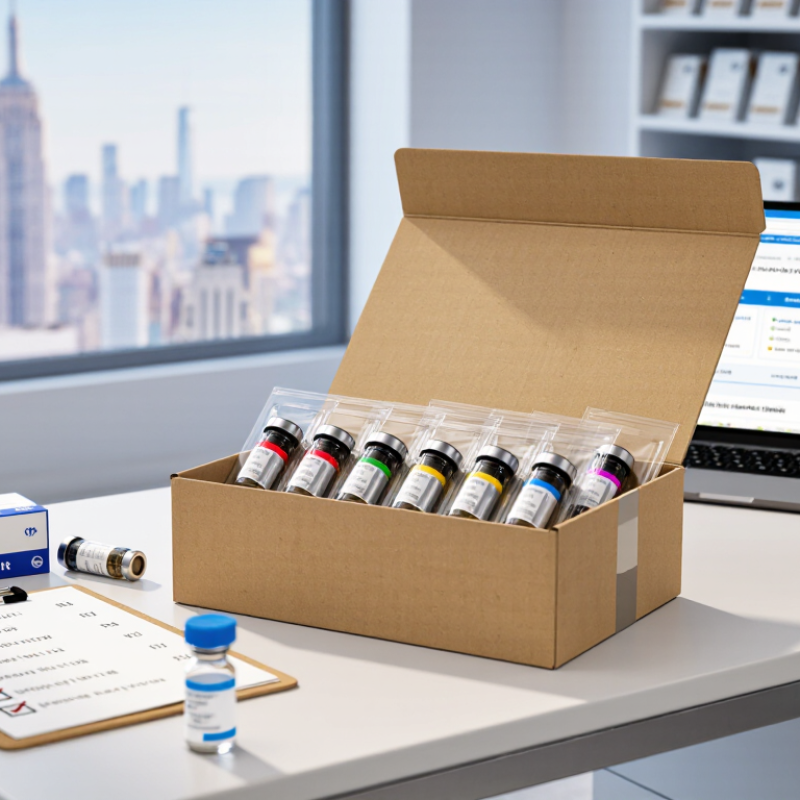
Define Dispo Carts and Their Safety Risks in 2026
“Dispo carts” usually means prefilled, sealed cartridges or compact disposable devices designed for one-time use. In 2026, the term still varies between suppliers, so buyers should confirm exactly what the product contains. A compliant cart should clearly identify its ingredients, quantity, batch number, manufacturer, and intended legal market. Vague labels create unnecessary risk.
Safety concerns begin with poor traceability. Unverified carts may contain inaccurate ingredients, chemical residues, or contaminants from low-quality materials. Leaks can irritate skin, while damaged heating parts may overheat during use. Battery failures are less common, but they can cause burns or property damage. Child exposure is another serious concern, especially when packaging resembles ordinary consumer products. These details matter.
Small checks help.
Professional sourcing requires more than a polished website. Request recent test reports from an independent, accredited laboratory, then match the report’s batch number with the physical packaging. Check tamper seals, readable warnings, storage instructions, and documented recall procedures. Confirm that the supplier follows local product, labeling, shipping, and age-control requirements. A certificate alone is not proof; reports can be outdated, incomplete, or poorly interpreted. I would also order a limited sample before a larger purchase, because packaging quality may change between batches. Even experienced buyers can miss a damaged seal or unclear ingredient statement. That weakness deserves review, not excuses.
How to Source Dispo Carts Safely in 2026? — Define Dispo Carts and Their Safety Risks in 2026
| Dimension | Definition or Verified Fact | Primary Safety Risk | Safe-Sourcing Requirement for 2026 | Evidence to Request |
|---|---|---|---|---|
| Product definition | A disposable vape product is a prefilled, single-use inhalation device that normally contains an atomizer, a liquid reservoir, a battery, and an airflow system. Some products are sold as disposable cartridges, while others include the battery and mouthpiece in one sealed unit. | The product may be incorrectly classified as a cartridge, electronic cigarette, consumer electronic, or controlled-substance product, creating different legal and safety obligations. | Confirm the product category, intended market, active ingredient, battery configuration, and applicable national and local requirements before placing an order. | Product specification sheet, intended-use statement, regulatory classification, component list, and market-specific compliance documents. |
| Active ingredient | Dispo carts may contain nicotine e-liquid, cannabis oil, or a non-nicotine formulation. Nicotine and cannabis products are regulated differently, and permitted products vary by jurisdiction. | Incorrect labeling, excessive potency, accidental ingestion, or unauthorized sale can expose users and buyers to poisoning, enforcement, and product-liability risks. | Source only products legally permitted in the destination market, with clearly stated concentration, serving information, warnings, and age restrictions. | Formula declaration, potency report, ingredient list, age-restriction process, and destination-market legal review. |
| E-liquid or oil composition | Inhaled formulations can contain a carrier liquid, flavoring substances, active ingredients, and other additives. A substance considered safe to eat is not automatically proven safe to inhale after heating. | Heating may create harmful degradation products, and undisclosed diluents or contaminants may be inhaled directly into the lungs. | Require a complete ingredient disclosure and reject products containing undisclosed additives, prohibited substances, or ingredients lacking inhalation-safety justification. | Signed formulation statement, safety data sheets where applicable, allergen information, and batch-specific contaminant testing. |
| Contamination control | Contaminants relevant to inhaled products may include heavy metals, pesticides, residual solvents, microbial contamination, and undeclared active ingredients. | Contaminated aerosol or oil can create respiratory, neurological, or toxicological harm, especially when exposure is repeated. | Use independent, batch-specific testing against the legal limits of the destination market. Do not rely on a generic certificate covering multiple production batches. | Certificate of analysis showing batch number, sample date, test methods, detection limits, results, laboratory accreditation, and authorized signatory. |
| Historical lung-injury lesson | The 2019 U.S. outbreak of e-cigarette or vaping product use-associated lung injury was strongly associated with vitamin E acetate in illicit THC vaping products. This finding does not make every vaping product equivalent, but it demonstrates the importance of formulation control and traceability. | Illicit or poorly controlled oil formulations may contain unsafe diluents or substances not declared on the label. | Reject untraceable oil products, undocumented formulations, and products marketed for inhalation without a complete manufacturing and testing record. | Full formulation record, raw-material specifications, supplier qualification file, batch genealogy, and contaminant panel. |
| Heating system | The coil or heating element converts liquid into aerosol. Temperature, power delivery, wick material, and airflow affect aerosol output and thermal degradation. | Overheating, dry hits, leakage, or unsuitable materials may increase unwanted emissions or expose users to component-derived contaminants. | Require documented performance testing, leak testing, material specifications, and controls that limit abnormal heating conditions. | Engineering drawings, heating-performance data, temperature or power controls, leakage results, and materials declarations. |
| Metal exposure | The liquid path and aerosol path may contact metal components such as coils, solder joints, or connectors. Metal migration can vary with material, manufacturing quality, liquid chemistry, and use conditions. | Users may inhale metal-containing particles or residues if components corrode, shed material, or are manufactured with unsuitable alloys. | Verify liquid-contact materials and require finished-product or aerosol-emission testing where applicable, rather than relying only on raw-material declarations. | Material composition, restricted-substance declaration, corrosion testing, and laboratory results for relevant metals. |
| Battery safety | Most all-in-one disposable devices use a small lithium-ion or lithium-based rechargeable or non-rechargeable cell. Lithium batteries can present fire, overheating, short-circuit, and transport hazards when damaged or improperly controlled. | Thermal runaway, swelling, leakage, short circuits, overheating during charging, and ignition during storage or transport. | Confirm cell identity, protection design, electrical safety testing, charging behavior if rechargeable, and compliant transport classification. | Battery specification, protection-circuit details, abuse-test results, safety test reports, packaging test records, and transport documentation. |
| Leakage and ingestion | A disposable cart contains concentrated liquid or oil in a small reservoir. Leakage can occur through seals, mouthpieces, fill ports, or damaged packaging. | Skin or eye contact, accidental ingestion, contamination of surrounding products, and exposure of children or pets. | Use secure closures, leak-resistant packaging, child-resistant packaging where legally required, and clear first-aid and poison-warning information. | Leak-test protocol, packaging certification, closure specification, transport simulation results, and safety labeling artwork. |
| Traceability | Traceability links each finished unit to its formulation, raw materials, production date, equipment, operators, and test results. | Without traceability, defective batches cannot be isolated or recalled efficiently, and certificates may not correspond to the goods received. | Require a unique lot or batch code on the unit and outer packaging, with records retained for the period required by the destination market. | Batch-number system, production records, recall procedure, distribution log, and a method for verifying certificates online or through controlled records. |
| Manufacturing controls | Consistent manufacturing requires controlled raw materials, documented procedures, equipment maintenance, environmental controls, inspection, and corrective actions. | Process variation can cause inconsistent potency, contamination, leaks, defective batteries, or inaccurate labeling. | Audit the production site or use an independent inspection service before approval and periodically after approval. | Quality manual, process-control plan, internal-audit records, nonconformance log, calibration records, and corrective-action reports. |
| Packaging and labeling | Labels should identify the contents, concentration or strength where required, net quantity, lot number, warnings, manufacturer or responsible party, and disposal information as applicable. | Misleading claims, missing warnings, counterfeit packaging, accidental youth appeal, or inability to identify a recalled batch. | Conduct a destination-market label review before production. Avoid unsubstantiated health claims and ensure required warnings are legible and durable. | Final label proof, translation review, packaging specifications, age-warning review, and regulatory checklist signed by a qualified reviewer. |
| Laboratory testing | A certificate of analysis is useful only when it clearly identifies the tested batch, methods, results, limits, and laboratory responsible for the work. | Generic, altered, expired, or incomplete certificates can create false confidence while failing to detect real hazards. | Prefer independent laboratories operating under ISO/IEC 17025 accreditation for the relevant test methods and matrices. | Accreditation scope, raw laboratory report, chain-of-custody record, sample identity, method references, and pass/fail criteria. |
| Storage and transport | Heat, freezing, moisture, impact, pressure changes, and prolonged storage can affect liquid stability, seals, packaging, and battery performance. | Leakage, degradation, swelling, reduced performance, or battery fire during warehousing and shipment. | Define temperature, humidity, stacking, segregation, and damaged-goods procedures. Follow applicable dangerous-goods rules for lithium batteries. | Packaging validation, transport-test results, warehouse SOPs, shipping classification, incident records, and maximum storage-life data. |
| End-of-life disposal | Disposable devices combine electronic components, batteries, plastics, metal, and residual liquid. They should not normally be discarded as ordinary loose household waste where battery or e-waste rules apply. | Fire in waste and recycling streams, chemical leakage, and environmental contamination. | Provide clear disposal instructions and confirm the importer, seller, or producer responsibilities under local battery, electronic-waste, and product-stewardship rules. | Disposal guidance, recycling or take-back plan, environmental compliance review, and procedures for damaged or leaking units. |
| Supplier approval decision | A supplier should be approved only when product identity, formulation, testing, manufacturing controls, labeling, traceability, battery safety, and legal status are all documented and verifiable. | Low price, fast delivery, or attractive packaging can conceal missing testing, counterfeit documentation, unauthorized ingredients, or uncontrolled production. | Use a written risk-based approval scorecard. Place the supplier on hold when any critical document is missing, unverifiable, inconsistent with the batch, or outside the destination-market requirements. | Completed supplier questionnaire, independent audit, verified laboratory records, sample inspection, legal review, signed quality agreement, and recall contact details. |
Related Posts
-

Top Disposable Cart Suppliers for Global Buyers
-
The Ultimate Guide to Finding Your Best Cartridge Vape Experience
-
2026 Best Dab Carts for Flavor and Potency?
-
The Ultimate Guide to Choosing the Best Rechargeable Vapes: Features, Benefits, and Tips
-
Unlocking Precision with the Best Pen Cartridge Technical Specifications and Usage Guide
-

Essential Checklist for Choosing the Best 0 Nicotine Disposable Vape for Your Needs