How to Choose Trekking Shoes in 2026?

Choosing Trekking Shoes in 2026 requires more than comparing brands, colors, or advertised waterproof ratings. Your route, foot shape, pack weight, and walking surface matter more. A rocky alpine trail demands different support from a damp forest path. Fit still comes first.

Recent industry data reinforces the importance of informed choices. The Outdoor Industry Association’s 2024 participation report recorded approximately 175.8 million outdoor participants in the United States during 2023. Meanwhile, market analyses from Grand View Research continue to identify hiking footwear as a growing global category, driven by recreational travel, wellness habits, and trail tourism. These figures show demand, but they do not identify the right shoe for your feet.

Andrew Skurka, an award-winning long-distance backpacker and gear expert, states, “The best backpacking shoes are the ones that fit your feet.” That principle remains practical in 2026. A reliable Trekking Shoes guide should examine toe-room, heel security, midsole cushioning, outsole grip, breathability, and repairability. Try shoes with hiking socks. Walk downhill. Test them late in the day, when feet are slightly larger.

No checklist is perfect. I have overlooked small pressure points before, and they became painful after several hours. Marketing language can also sound more technical than useful. This guide will therefore compare real trail demands with measurable shoe features, helping readers choose confidently without treating one model as universally best.
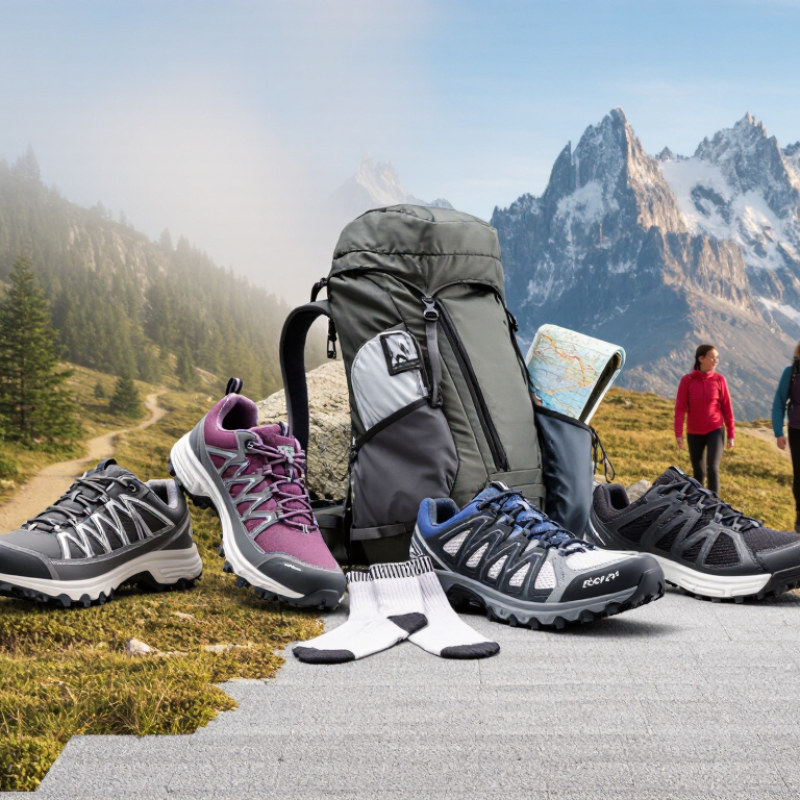
How to Choose Trekking Shoes in 2026?

Understanding Trekking Shoe Types and Their Intended Uses

How to Choose Trekking Shoes in 2026?

In 2026, trekking footwear is more specialized than ever. Trekking shoes are not one category. Low-cut trail shoes suit fast day hikes, dry paths, and light packs. They feel flexible and reduce fatigue on smoother ground. Mid-cut hiking shoes offer more ankle coverage and stronger protection. They work well on rocky trails, forest routes, and changing surfaces. Stiff backpacking boots support heavy loads and long journeys. Their firm soles help on steep, uneven terrain, but they require more break-in time.

I learned this during a wet mountain hike. My lightweight shoes felt comfortable at the trailhead. Later, mud covered the laces, and my feet slid inside them. That was poor planning. Match the shoe type to the terrain, weather, distance, and pack weight. For short summer hikes, breathable shoes may be enough. For multi-day trekking, stronger midsoles and deeper lugs offer better stability. Check the outsole pattern carefully. Small, shallow lugs can struggle in soft mud.

Fit matters as much as construction. Your heel should stay seated without pressure. Leave about one thumb of space ahead of your toes. Try shoes with the socks you normally hike in. Do not trust appearance alone. Cushioning can feel wonderful indoors, then become unstable on a rocky slope. Waterproof materials protect against rain, but they may hold sweat in warm weather. I sometimes choose water resistance when ventilation would be wiser. Weather changes quickly. Your feet notice first.

How to Choose Trekking Shoes in 2026? - Understanding Trekking Shoe Types and Their Intended Uses

Typical characteristics vary by construction, fit, materials, and intended terrain. Always check the manufacturer’s technical specifications and try shoes on with the socks you plan to wear.
Trekking Shoe Type Typical Weight
(Per Pair)
Ankle Coverage Midsole Feel Outsole Grip Water Protection Best Intended Use Main Advantages Limitations
Lightweight Hiking Shoes Approx. 600–900 g Low-cut Flexible to moderately supportive Moderate to high; suited to established trails Breathable mesh or optional waterproof membranes Day hikes, park trails, warm-weather trekking, and fast-moving trips with a light pack Low weight Quick break-in Good ventilation Less protection from ankle-deep debris, sharp rocks, and heavy loads than sturdier footwear
Approach-Style Trekking Shoes Approx. 700–1,000 g Low-cut Firm and precise High on rock and mixed surfaces Usually water-resistant materials; waterproof versions may be available Rocky trails, scrambling approaches, uneven terrain, and trips requiring precise foot placement Excellent edging Protective toe area Stable on rock Can feel less comfortable on long, smooth trails; often less breathable than lightweight hiking shoes
Mid-Cut Hiking Boots Approx. 900–1,300 g Above the ankle Moderately firm with balanced cushioning High on mixed trail surfaces Leather, synthetic treatments, or waterproof membranes are common Multi-day hiking, uneven trails, moderate backpacking loads, and variable weather Balanced support Added protection Versatile Heavier and usually warmer than low-cut shoes; ankle height does not eliminate the risk of sprains
Full-Cut Trekking Boots Approx. 1,200–1,800 g High above the ankle Firm and supportive High, with deep lugs for demanding ground Often strong water resistance; drying can take longer Long treks, rugged terrain, heavy packs, remote routes, and extended exposure to rough conditions Load stability Durability Underfoot protection Heavier, less flexible, slower to dry, and more demanding to break in
Waterproof Trekking Shoes Approx. 700–1,300 g Low- or mid-cut Flexible to moderately firm Depends on the underlying sole design Waterproof membrane or sealed construction Wet trails, frequent rain, damp grass, and cool conditions where moisture protection is a priority Keeps rain out Useful in cool weather Versatile coverage Usually less breathable; water can still enter over the collar, and wet interiors dry slowly
Breathable Mesh Trekking Shoes Approx. 500–900 g Usually low-cut Flexible and lightweight Moderate to high, depending on the tread pattern Limited rain protection; drains and dries more quickly Hot climates, dry trails, water crossings, travel, and hikes where fast drying matters High ventilation Fast drying Lightweight Offers little protection against prolonged rain, mud, snow, or cold wind
Heavy Backpacking Boots Approx. 1,500–2,200 g High above the ankle Very firm with strong torsional support High, with durable lugs for rough and loose terrain Often designed for wet, cold, or highly exposed environments Heavy loads, off-trail travel, extended remote expeditions, and demanding alpine approaches without technical climbing Maximum protection Strong load support Durable construction Requires careful fitting and conditioning; heavy, stiff, and excessive for easy day hikes
Winter or Insulated Trekking Boots Approx. 1,400–2,400 g Mid- to high-cut Firm, insulated, and protective Deep-lug traction; some models accept traction devices Water-resistant or waterproof with insulation Snowshoeing, cold-weather trekking, icy trails, and winter conditions within the boot’s temperature range Warmth Weather protection Stable platform Too warm for mild weather; heavier and less flexible than three-season footwear
Selection rule: Choose footwear according to terrain, weather, pack weight, trip duration, and personal fit. A secure heel, enough toe room, and no pressure points are more important than ankle height alone.

Assessing Fit, Foot Shape, and Essential Comfort Features

Choosing trekking shoes in 2026 starts with your feet, not the trail label. The American Podiatric Medical Association reports that 77% of Americans have experienced foot pain. Poor fit can turn a scenic hike into a blistered, careful walk. Measure both feet late in the day, when swelling is more likely. Wear the socks you will actually hike in. Leave roughly a thumb’s width beyond your longest toe. Your heel should stay planted when you walk downhill. Try that test.

Foot shape matters more than a shoe’s listed size. A wide forefoot needs space around the toes, while a narrow heel needs secure cushioning without harsh pressure. Check for rubbing across the little-toe joint and arch. Flex the shoe near the ball of your foot, not through the middle. Essential comfort features include breathable materials, a stable midsole, shock absorption, and lacing that spreads pressure evenly. The Outdoor Foundation’s 2024 Outdoor Participation Trends Report recorded more than 59 million day hikers in the United States in 2023, so comfort needs to support frequent use, not just one holiday. Walk indoors for at least ten minutes. Short tests can mislead. I still find that “comfortable” in a shop may feel too warm after three hours. Recheck fit with thicker socks, and do not ignore small hot spots. They rarely stay small.

Comparing Sole Grip, Cushioning, Support, and Waterproofing

How to Choose Trekking Shoes in 2026?

Sole grip should match the ground, not your shopping preferences. For wet rocks, choose deep, widely spaced lugs that shed mud. For dry trails, moderate lugs can feel smoother and waste less energy. The 2024 Outdoor Participation Trends Report recorded 59.6 million U.S. hikers in 2023. That scale matters, but participation data does not prove one sole design is safer. I still test grip on a damp step before trusting a long descent.

Cushioning reduces harsh impact on hard paths, while excessive softness can weaken balance. A firm midsole usually feels steadier with a loaded pack. Support should come from a secure heel counter and controlled flex, not stiffness everywhere. Waterproof membranes help in shallow puddles, but they can trap heat after several hours. The 2024 World Footwear Yearbook highlights comfort and durability as major footwear priorities, yet trail conditions remain highly personal. My mistake was choosing maximum waterproofing for summer hikes. My socks became wet from sweat.

Tips: Walk downhill in the shoes before buying. Your toes should not touch the front. Check heel movement with laces tied. Bend the shoe near the forefoot, not through the middle. For frequent rain, inspect the tongue and seams. For dry climates, prioritize ventilation. Replace worn tread early; confident grip can disappear before the upper looks damaged.

How to Choose Trekking Shoes in 2026?

Compare typical trekking footwear categories across sole grip, cushioning, support, and waterproofing. Scores use a comparative 1–10 scale based on common construction characteristics, not brand-specific testing.

How to use this chart: Choose trail runners for lightweight comfort and maximum cushioning on well-maintained paths. Select all-terrain hiking shoes for a balanced mix of grip, flexibility, and support. Heavy-duty trekking boots provide the strongest support for carrying loads and walking on rugged terrain, while waterproof hiking boots are best for consistently wet conditions.

Choosing Materials and Designs for Different Trail Conditions

How to Choose Trekking Shoes in 2026?

Trail conditions should guide your material choice, not fashion. The Outdoor Industry Association’s 2024 report recorded 57.8 million U.S. hiking participants in 2023. More hikers also mean more varied terrain and footwear needs. For wet forests, choose treated leather or tightly woven synthetic uppers. Add a waterproof membrane only when rain and mud are frequent. Waterproof shoes can feel hot during long, dry climbs. That trade-off matters.

Rocky trails need firm midsoles, protective toe caps, and stable heel counters. A deeper rubber outsole improves grip on loose stones. For muddy routes, widely spaced lugs release soil more effectively. Lightweight mesh works well in hot, dry regions. However, it offers less protection against sharp rock and thorny plants. I once selected ventilation over support and regretted it after twelve uneven kilometres. My feet felt cool, but unstable.

Tips: Match shoe stiffness to your pack weight. Test them with hiking socks before buying. Leave roughly one thumb-width ahead of your longest toe. Walk downhill during fitting. Your heel should stay secure without pressure. Check published waterproof-breathability results carefully; laboratory figures rarely match every trail. The 2024 Outdoor Participation Trends Report also shows hiking attracts participants across many age groups, so comfort should not be treated as a luxury. Replace worn lugs early. Small details prevent bigger discomfort.

Testing, Sizing, and Maintaining Trekking Shoes for 2026 Adventures

How to Choose Trekking Shoes in 2026?

Testing, Sizing, and Maintaining Trekking Shoes for 2026 Adventures

The Outdoor Industry Association reported 175.8 million American outdoor participants in 2023. More people now need footwear that survives varied terrain. I test trekking shoes on stairs, wet pavement, gravel, and a short loaded hike. A useful test includes ten minutes of downhill walking. Heel movement appears quickly there. Check the outsole for confident grip, but do not trust a deep pattern alone. ASTM F2913 testing evaluates slip resistance under controlled conditions, not every muddy trail. Real ground remains unpredictable.

Measure both feet late in the day. Feet commonly expand after hours of walking. Leave roughly one thumb of space beyond the longest toe. Wear the socks planned for the trip. Lace firmly across the midfoot, then loosen the forefoot slightly. Walk downhill and stop sharply. Your toes should not hit the front. Small discomfort becomes a blister. I once accepted a tight heel because the shoe felt “secure.” That decision cost me two painful days.

Maintain the shoes after every outing. Remove grit from the tongue, seams, and tread with a soft brush. Air them at room temperature, away from direct heat. High heat can damage adhesives and materials. Check the outsole before each trip. Replace shoes when cushioning feels uneven or the tread loses clear edges. The European Outdoor Group’s durability guidance supports longer product use through repair and care, but personal judgment still matters. A clean, dry shoe is safer. Not always lighter.

Article Source:

Find Mitten in Michigan

Request Mitten Near You

Have a favorite dispensary that doesn't carry Mitten Extracts yet? Let us know, and we'll work to make sure our premium products are available where you shop.