What Is the Best Dog Barking Device for Training?

Choosing the best Dog Barking Device starts with a simple question: what is causing the barking? A dog may bark at passing cars, delivery workers, loneliness, excitement, or a frightening sound. The device should respond to that cause, not merely silence the noise.

Karen Pryor, a respected dog-training authority, explains, “Reinforcement is anything that increases the likelihood of a behavior.” This principle matters when comparing ultrasonic devices, vibration collars, sound-activated tools, and reward-based training systems. A device may interrupt barking, but it cannot replace patience, exercise, supervision, or clear communication. That part is often overlooked.

Look for adjustable settings, reliable bark detection, humane operation, and clear manufacturer guidance. Avoid products that rely on intense discomfort or punish every sound. A dog could be barking because it feels unsafe. Suppressing that warning may hide the problem rather than solve it.

Real training takes time.

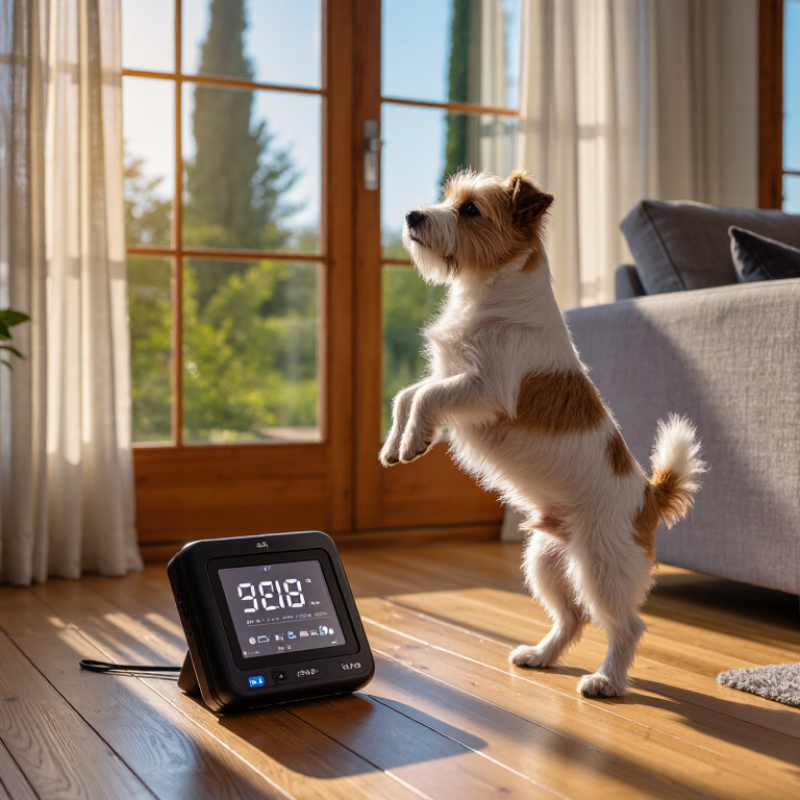
This guide examines how each Dog Barking Device works in everyday situations. Picture a terrier barking beside a front window at 7 a.m. The right tool may create a quiet pause, allowing the owner to reward calm behavior. It may also fail if the dog is anxious, medically uncomfortable, or left alone too long. That possibility deserves honest attention. The best choice is not always the strongest device. It is the safest tool used with observation, consistency, and humane training.
What Is the Best Dog Barking Device for Training?

Understanding How Dog Barking Devices Work

A dog barking device works by detecting sound through a built-in microphone. When barking reaches a set volume, the device may release a tone, vibration, or high-frequency sound. Some models use a light signal instead. The goal is to interrupt barking, not frighten the dog. Detection quality matters. A sensitive microphone may react to traffic, doors, or another dog nearby.

The best device should match the dog’s size, hearing, temperament, and barking pattern. A quiet indoor dog may need only a gentle sound cue. A nervous dog could become more anxious with repeated stimulation. Qualified trainers often recommend starting with the least intense setting and observing body language. Look for relaxed ears, normal movement, and quick recovery. Stop if the dog hides, trembles, or avoids the area.

A device cannot teach good behavior by itself. When the dog pauses, calmly reward the silence with a treat or gentle praise. Keep sessions short and record what triggers the barking. This makes adjustment more reliable. Avoid placing the device near the dog’s face or using it continuously. It can also miss the real cause, such as boredom, pain, fear, or separation distress. No device is perfect. I would reassess the method weekly, because a tool that helps today may confuse the dog later.

Identifying the Cause Behind Your Dog’s Barking

Before choosing the best dog barking device, identify what the barking communicates. A dog may bark at footsteps, delivery sounds, wildlife, or unfamiliar people near the window. Some dogs bark from boredom, while others react to fear, frustration, or separation. The same device cannot address every cause.

Keep a simple barking diary for several days. Record the time, location, trigger, body posture, and what happens afterward. A stiff body, tucked tail, or repeated retreat may suggest anxiety. Loose movement and excited jumping may point to play or attention seeking. Sudden barking changes deserve professional attention, especially when paired with pain, confusion, or appetite loss.

I once assumed persistent barking meant poor obedience. That was too simple. In many cases, the dog has learned that barking produces a result, such as a door opening or a person approaching. Training should change that pattern calmly. Reward quiet moments, increase daily exercise, and block visual triggers with curtains or privacy film. Short practice sessions work better than exhausting drills.

A barking device should support training, not replace it. Humane options may interrupt a bark with a mild sound or vibration, but sensitivity settings matter. Avoid devices that frighten or punish, particularly for fearful dogs. Test the environment carefully. A device that stops noise may still increase stress, and I cannot treat silence as proof of improvement. A qualified veterinarian or certified behavior professional can help distinguish habit, anxiety, and possible medical causes.

What Is the Best Dog Barking Device for Training?

Identifying the cause behind your dog’s barking should come before choosing any training device. Dogs can hear much higher frequencies than humans, so ultrasonic tools may attract their attention, but they do not address anxiety, boredom, territorial behavior, pain, or the need for social contact.

The chart compares commonly reported hearing-frequency ranges. Human hearing is approximately 20–20,000 Hz, while canine hearing is approximately 67–45,000 Hz. Individual dogs vary, and hearing range does not predict whether a device will be effective or humane.

Comparing Barking Device Types and Training Methods

What Is the Best Dog Barking Device for Training?

The best barking device depends on why your dog vocalizes. A microphone-based ultrasonic device emits a high-frequency sound after barking. It may interrupt alert barking, but results vary between dogs and environments. Vibration devices offer another interruption without startling nearby people. However, sensitive dogs can still find sudden vibrations stressful. Spray devices may discourage barking, yet they can create confusion if the trigger remains nearby. Start with observation.

Watch what happens before each bark. Is your dog guarding a window, reacting to footsteps, seeking attention, or showing distress when alone? A device cannot teach a replacement behavior by itself. Pair a brief interruption with calm guidance, such as calling your dog to a mat and rewarding quiet behavior. Timing matters. Reward within a few seconds of silence, even if that silence is brief. Keep sessions short, perhaps five minutes beside a front window.

In my training experience, owners often choose a stronger setting too quickly. I have also seen dogs become quiet while growing more anxious, which is not genuine progress. A humane plan uses the lowest effective intensity and stops if the dog hides, trembles, pants heavily, or avoids the handler. Avoid devices for fear-based barking without professional support. A certified behavior professional or veterinarian can help identify pain, separation distress, or reactivity. Record the trigger, device response, and recovery time. That imperfect record often reveals whether learning is happening or the dog is simply overwhelmed.

What Is the Best Dog Barking Device for Training? Comparing Barking Device Types and Training Methods

Device or Method How It Works Typical Range or Coverage Training Effect Advantages Limitations and Safety Considerations Best Use Overall Training Suitability
Ultrasonic Bark Device Emits a high-frequency sound when barking is detected or when the handler activates it. The sound is intended to interrupt barking. Often designed for a limited outdoor or indoor area; actual performance depends on obstacles, distance, and the dog’s hearing. Provides an interruption signal but does not teach the dog what behavior to perform instead. Non-contact, portable, and generally simple to operate. Effectiveness varies widely. Some dogs ignore it, while others may become confused or anxious. Avoid aiming sound directly at the dog’s ears and do not use it continuously. Brief interruption followed immediately by a reward-based quiet cue. ★★★☆☆ Moderate
Audible Sound or Vibration Device Uses a tone, verbal cue, or vibration to interrupt barking and redirect the dog’s attention. Usually suitable for close-range handling and structured training sessions. Can support a clear “quiet” or “look at me” cue when paired with reinforcement. Allows the handler to provide a consistent signal without physical contact. It can become a distraction rather than a learned cue if used too frequently. Vibration should not be intense or startling. Teaching attention, recall, and quiet behavior in controlled situations. ★★★★☆ Good
Citronella or Scent-Based Collar Releases a scent near the dog’s nose after barking is detected. Limited to the dog wearing the device. May interrupt barking, but it does not automatically create an alternative behavior. Does not use electric stimulation and may interrupt some nuisance barking. Some dogs become stressed or habituated. The collar must fit correctly, and skin or respiratory sensitivity should be considered. Use only under careful supervision. Short-term management while a reward-based training plan is established. ★★★☆☆ Moderate
Static-Stimulation Collar Delivers an electrical stimulus in response to barking or handler input. Limited to the dog wearing the device; adjustable models vary in control range. May suppress barking quickly, but suppression does not necessarily teach the cause of barking or a suitable replacement behavior. Can produce a rapid interruption in some cases. Risk of fear, stress, incorrect association, and increased reactivity. It may be especially unsuitable for anxious, fearful, aggressive, or noise-sensitive dogs. Professional guidance is recommended where use is permitted. Generally not a first-choice method; focus instead on management and positive reinforcement. ★☆☆☆☆ Limited
Remote Treat Dispenser Releases food rewards when the handler observes calm or quiet behavior, usually through a remote control or automated system. Depends on the device’s communication range and placement; best used within the dog’s normal training area. Reinforces quiet behavior, attention, and alternative responses rather than merely stopping barking. Supports positive reinforcement and can reward behavior from a distance. Food rewards must be appropriate for the dog’s diet. Timing is important, and the device should not be used to reward barking accidentally. Teaching “quiet,” settling on a mat, and calm behavior near windows or doors. ★★★★★ Excellent
Reward-Based “Quiet” Training The handler identifies the trigger, waits for a brief pause in barking, gives a quiet cue, and rewards silence or calm behavior. Works indoors and outdoors with no equipment range limitation. Builds a reliable alternative behavior and improves communication between dog and handler. Humane, adaptable, inexpensive, and useful for addressing the reason behind barking. Requires consistent timing, repetition, and realistic expectations. Progress may be gradual when barking is driven by fear, frustration, pain, or separation distress. Most barking problems when combined with trigger management and gradual exposure. ★★★★★ Excellent
Environmental Management Reduces access to barking triggers by using curtains, window film, distance, white noise, barriers, exercise, and routine changes. Applies to the dog’s living environment rather than a specific device. Prevents repeated rehearsal of barking and creates better conditions for learning. Low risk, practical, and effective for visual, territorial, and boredom-related triggers. Does not teach a new behavior by itself. The environment must be adjusted consistently. Reducing barking at passersby, household sounds, visitors, and outdoor activity. ★★★★★ Excellent
Professional Behavior Support A qualified trainer or veterinary behavior professional assesses the trigger and creates an individualized behavior plan. Not limited by device range; support is tailored to the dog and household. Addresses complex causes such as fear, anxiety, reactivity, compulsive behavior, or separation-related distress. Provides customized guidance, safer progression, and help with difficult cases. Requires time and expense. Medical causes should be evaluated by a veterinarian, especially when barking changes suddenly. Persistent, severe, or anxiety-related barking; barking accompanied by aggression or self-injury. ★★★★★ Excellent

Best-practice recommendation: begin with environmental management and reward-based training. Identify the reason for barking, reward calm alternative behavior, and seek veterinary or qualified professional support when barking is sudden, excessive, fear-related, or associated with aggression.

Choosing Safe and Humane Features for Your Dog

What Is the Best Dog Barking Device for Training?

Choosing Safe and Humane Features for Your Dog

The best barking device supports training without frightening or hurting your dog. Look for adjustable sound levels, short activation periods, and automatic shutoff features. These controls reduce repeated stimulation when your dog becomes excited. A device should interrupt barking, not punish normal communication. Start at the lowest effective setting. Watch your dog’s ears, posture, and breathing carefully.

In my experience, dogs respond better when the device is paired with calm guidance. Mark quiet behavior with praise, a gentle touch, or a small treat. Give the reward within a few seconds. This helps your dog understand the desired behavior. Avoid using any device near sleeping, eating, or anxious dogs. Never aim to suppress warning barks completely.

Not every dog responds to sound or vibration in the same way. Some dogs may become confused, while others may become more tense. No device is perfect. A sensitive dog might need a quieter environment instead. Choose equipment with clear instructions and a reliable fit. Test it briefly while you remain close. If barking involves fear, pain, or aggression, consult a qualified trainer or veterinarian. I have sometimes underestimated how quickly stress can build. Careful observation matters more than convenience.

Building a Step-by-Step Barking Training Plan

What Is the Best Dog Barking Device for Training?

Building a Step-by-Step Barking Training Plan

The best barking device is a support tool, not a substitute for training. Choose one that detects barking accurately and avoids pain, fear, or harsh punishment. A recording function can help you notice patterns, such as barking at delivery sounds between 9 and 10 a.m. Ask a veterinarian to check sudden barking changes, especially when anxiety or discomfort may be involved.

Start by writing down the trigger, location, time, and your dog’s response. Keep sessions short, around five minutes. When your dog notices a trigger but stays quiet, say “yes” and offer a small treat. Then increase the distance from the window or reduce the sound volume. If barking begins, calmly guide your dog away and wait for quiet. Do not shout. Dogs may interpret shouting as shared excitement.

Practice with gentle recordings before using real situations. Begin at a low volume, perhaps with your dog resting three meters away. Reward relaxed behavior several times. Increase difficulty slowly. If the dog stops eating, hides, or scans the room nervously, the step was too difficult. Return to an easier level. I would also review the plan weekly, because progress is rarely perfectly steady. A device may miss quiet warning barks or react to household noise, so check its accuracy instead of trusting every alert. For persistent fear, aggression, or nighttime barking, work with a qualified veterinary behavior professional.

Find Mitten in Michigan

Request Mitten Near You

Have a favorite dispensary that doesn't carry Mitten Extracts yet? Let us know, and we'll work to make sure our premium products are available where you shop.